
A Blockchain Supply Chain Development Company helps turn scattered supply chain data into a connected digital record. From supplier onboarding and material sourcing to warehouse transfers and final delivery, each event can be captured and verified. With supply chain traceability, businesses can investigate delays, check product history, and coordinate partners using consistent information across the network.
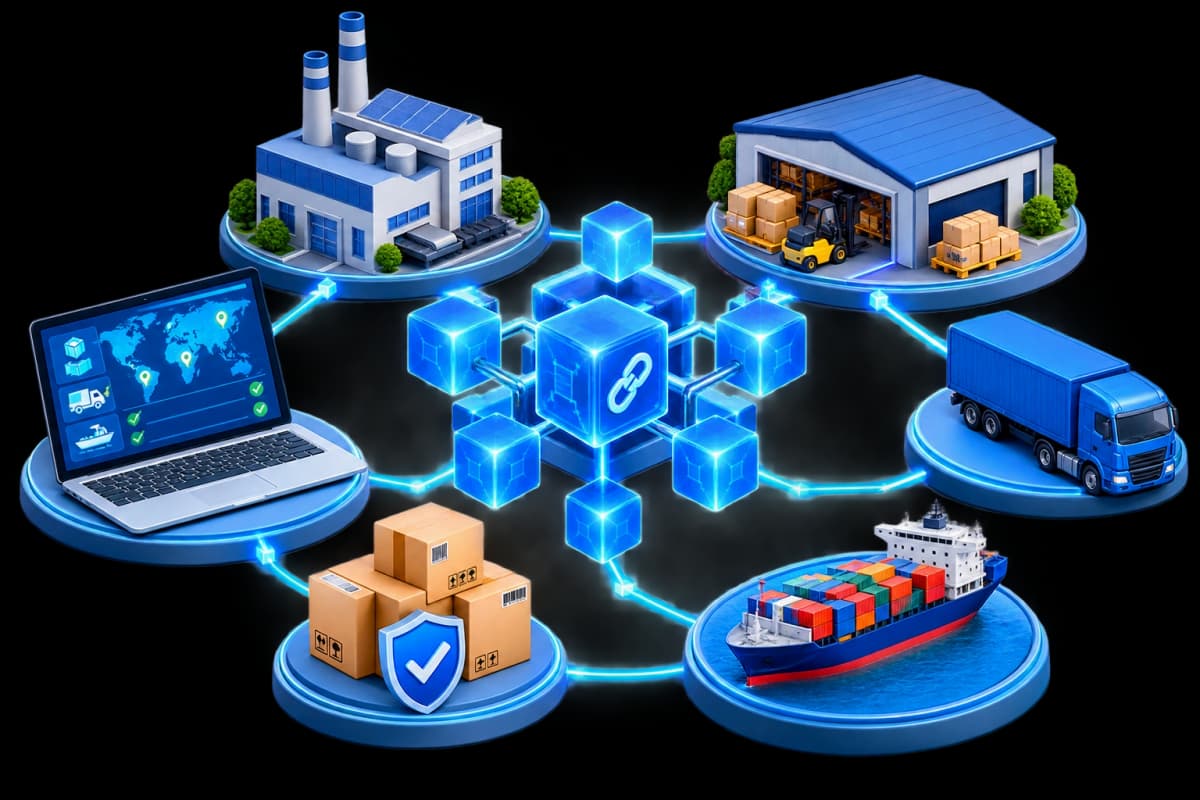
Blockchain in supply chain creates a shared record of how goods move between different businesses. Think of a coffee shipment: its origin, quality checks, warehouse transfers, and delivery updates can be recorded as the product travels. Rather than relying on separate files, each participant can access verified information relevant to their role.
This connected record can make supply chain traceability easier to follow when questions arise. If a shipment arrives late or a batch fails inspection, teams can review its recorded journey and identify the affected stage. By linking suppliers, logistics providers, and buyers through reliable data, blockchain supports clearer communication and better supply chain visibility.

Our blockchain solutions for supply chain connect sourcing, inventory, logistics, and delivery through reliable digital records, helping businesses improve traceability, data visibility, supplier coordination, and product verification.
Track products across sourcing, production, distribution, and delivery with a reliable digital record.
Record a product’s origin and journey to make sourcing and ownership easier to verify.
Keep inventory movement and stock records consistent across warehouses and business locations.
Monitor shipment milestones and movement while maintaining a shared record of logistics data.
Automate predefined actions such as approvals, payments, and delivery-based agreements.
Maintain verifiable supplier information to support better sourcing and partner management.
Store key product details, certifications, origin data, and lifecycle information in one accessible record.
Help verify product authenticity by connecting physical goods with trusted digital records.
Maintain verifiable records of inspections, certifications, standards, and regulatory requirements.
Allow authorized supply chain participants to securely access consistent and relevant information.
Connect temperature and condition data with blockchain records for sensitive goods during transportation.
Record quality checks and inspection results at different stages of the supply chain.
Blockchain features such as traceability, shared records, smart contracts, secure data sharing, and product tracking help supply chain teams improve visibility, verify information, and coordinate operations efficiently.
Follow products from raw material sourcing to final delivery.
Keep verified supply chain records accessible to authorized participants.
Provide a clearer view of product, shipment, and transaction updates.
Preserve recorded information and reduce unauthorized changes to important records.
Trigger predefined actions when agreed supply chain conditions are met.
Connect blockchain with sensors to record conditions such as temperature, location, and handling.

Verify where products originated and understand their movement through the supply network.
Maintain verifiable records for inspections, certifications, and regulatory requirements.
Support product authentication by comparing physical goods with trusted digital records.
Link products with digital records containing origin, ownership, and lifecycle details.
Allow multiple parties to exchange relevant information through a controlled network.
Maintain reliable records for suppliers, certifications, and business relationships.
Follow products from raw material sourcing to final delivery.
Keep verified supply chain records accessible to authorized participants.
Provide a clearer view of product, shipment, and transaction updates.
Preserve recorded information and reduce unauthorized changes to important records.
Trigger predefined actions when agreed supply chain conditions are met.
Verify where products originated and understand their movement through the supply network.
Maintain reliable records for suppliers, certifications, and business relationships.
Allow multiple parties to exchange relevant information through a controlled network.
Link products with digital records containing origin, ownership, and lifecycle details.
Support product authentication by comparing physical goods with trusted digital records.
Maintain verifiable records for inspections, certifications, and regulatory requirements.
Connect blockchain with sensors to record conditions such as temperature, location, and handling.
Blockchain in supply chain management improves product traceability, data accuracy, supplier visibility, and shipment tracking, helping businesses coordinate operations, verify information, manage compliance, and respond faster to supply chain issues.
Track products and materials from their origin to the final customer.
Give authorized partners a consistent view of important supply chain records.
Verify transactions, product details, and ownership records without relying on repeated manual checks.
Create verifiable product records that can help businesses identify counterfeit or altered goods.
Replace fragmented records and manual data entry with shared digital transaction records.
Use smart contracts to automate approvals, payments, delivery confirmations, and other predefined actions.
Maintain reliable records of supplier activities, certifications, transactions, and compliance information.
Keep a traceable history of supply chain activities, making audits and investigations easier.
Monitor product movement across suppliers, warehouses, distributors, and retailers.
Quickly identify where a product, shipment, or material entered the supply chain when problems occur.
Allow authorized supply chain participants to share trusted information without depending entirely on separate databases.
Provide verifiable product information that can help customers understand where products came from and how they moved through the supply network.
Blockchain supply chain development services help businesses build connected systems for product traceability, inventory, supplier records, shipment tracking, smart contracts, and secure data sharing across supply chain networks.
Build blockchain systems around specific sourcing, manufacturing, logistics, and distribution workflows.
Create solutions that track products and materials across every stage of their journey.
Record product origin, ownership, and movement for easier verification.
Automate approvals, payments, delivery confirmations, and other predefined supply chain processes.
Develop connected inventory systems for tracking stock movement across warehouses and locations.
Maintain verifiable supplier profiles, certifications, transaction history, and sourcing records.
Connect logistics data with blockchain to create a reliable record of shipment milestones.
Create digital identities containing product origin, materials, certifications, and lifecycle information.
Use blockchain-based product records to support authentication and counterfeit detection.
Maintain verifiable records for audits, certifications, inspections, and regulatory requirements.
Connect sensors and devices with blockchain to record real-time information such as temperature, location, and product conditions.
Connect suppliers, manufacturers, logistics providers, distributors, and retailers through a permissioned data-sharing environment.
The blockchain supply chain workflow begins with product sourcing and continues through production, inventory, shipment, and delivery, recording verified updates at each stage for better traceability and coordination.
Record supplier, material origin, and sourcing details on the blockchain.
Verify supplier information, certifications, and relevant business credentials.
Capture important manufacturing events, batch details, and production records.
Store inspection results, certifications, and quality-related information for future verification.
Create a digital record that connects each product or batch with its supply chain history.
Record products as they enter warehouses, distribution centers, or storage facilities.
Register shipment details such as quantity, destination, carrier, and dispatch time.
Update shipment movements and key transportation milestones across the supply network.
Connect IoT devices when needed to record temperature, location, or handling conditions.
Trigger predefined actions when agreed conditions, such as delivery confirmation, are met.
Record receipt, delivery status, and relevant transaction details on the shared ledger.
Maintain the product’s journey from origin to final delivery for auditing, verification, and future reference.
Our blockchain supply chain development approach covers requirement analysis, architecture planning, smart contract development, system integration, testing, deployment, and ongoing improvements aligned with real supply chain workflows.
Understand your supply chain processes, participants, data flow, and business requirements.
Select the suitable blockchain network, define system architecture, permissions, data structure, and integrations.
Develop and test smart contracts for automation, verification, approvals, and supply chain transactions.
Build the application and connect blockchain with ERP, inventory, logistics, IoT, or existing business systems.
Test workflows, smart contracts, integrations, access controls, and overall system performance.
Deploy the solution, monitor its operation, resolve issues, and improve features as supply chain requirements evolve.
Understand your supply chain processes, participants, data flow, and business requirements.
Select the suitable blockchain network, define system architecture, permissions, data structure, and integrations.
Develop and test smart contracts for automation, verification, approvals, and supply chain transactions.
Build the application and connect blockchain with ERP, inventory, logistics, IoT, or existing business systems.
Test workflows, smart contracts, integrations, access controls, and overall system performance.
Deploy the solution, monitor its operation, resolve issues, and improve features as supply chain requirements evolve.
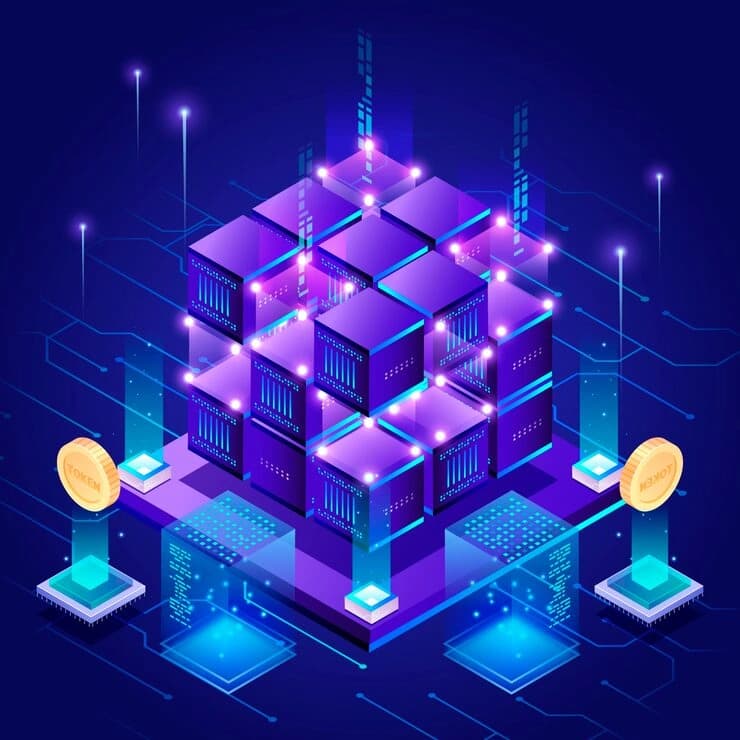
CryptoApe approaches blockchain supply chain development by first mapping what actually happens behind the scenes supplier onboarding, batch movement, warehouse updates, shipment handoffs, and delivery confirmation. This helps identify where shared records, product traceability, or smart contract automation can genuinely solve operational gaps instead of adding blockchain where it is unnecessary.
The development approach also considers how the new system will work with existing business software and supply chain partners. From permissioned networks and supplier data to inventory records and logistics tracking, each component is designed around the information different participants need to access. The result is a practical blockchain solution built around real workflows, measurable data, and long-term operational use.
At CryptoApe, we use modern, secure, and scalable tech stacks to craft high-performance blockchain & fintech solutions tailored to get Global Reach.









Blockchain helps solve the problem of fragmented records between suppliers, manufacturers, warehouses, logistics providers, and buyers. It creates a shared history of important events, making product movement and transaction data easier to verify.
A blockchain solution can record key events such as material sourcing, production, quality checks, warehouse transfers, shipment, and delivery. When an issue occurs, businesses can follow the recorded product journey and identify the relevant stage.
Yes. Businesses can assign products or batches a verifiable digital identity and connect it with origin, ownership, and movement records. This gives authorized users a way to check whether product information matches its recorded history.
Yes. Blockchain can work alongside ERP, inventory, logistics, IoT, and other enterprise systems. Instead of replacing every existing tool, the solution can be designed to exchange selected data between systems where blockchain adds value.
The cost depends on the blockchain network, number of participants, required features, smart contracts, integrations, security requirements, data volume, and platform complexity. A simple traceability system will have different development needs from a multi-party enterprise network.
Fill a valid information below to get started with our software.
Get Live Demo Today, Instant Launch, and Free consultation.

CryptoApe is an exclusive blockchain and cryptocurrency development company that offers instant and complete crypto solutions to kickstart your business.
Copyrights © 2026 CryptoApe. All Rights Reserved.
